
Nigeria’s Economic Reforms and the Rising Cost of Living: Are Citizens Being Left Behind?
By Esther Oniseitan
Nigeria’s economy is undergoing one of its most significant transitions since the return to democratic rule in 1999. Under the administration of Bola Ahmed Tinubu, sweeping reforms have been introduced with the promise of stabilizing public finances, attracting foreign investment, and repositioning the country for long-term growth. These reforms include the removal of fuel subsidies, the unification of exchange rates, tighter monetary policies, and adjustments in electricity tariffs. While economists and international financial institutions have largely praised these measures as necessary corrections to years of structural distortions, millions of ordinary Nigerians continue to struggle under an unprecedented cost-of-living crisis. The growing question across the country is whether these reforms are creating a stronger economy at the expense of the average citizen.
The removal of fuel subsidy in May 2023 marked a defining turning point in Nigeria’s economic direction. For decades, petrol subsidies consumed trillions of naira annually and were widely criticized for encouraging corruption, smuggling, and fiscal inefficiency. Supporters of subsidy removal argued that the policy disproportionately benefited elites and neighboring countries rather than ordinary Nigerians. Officials within government and institutions such as the International Monetary Fund defended the decision as painful but necessary for fiscal sustainability and economic recovery.
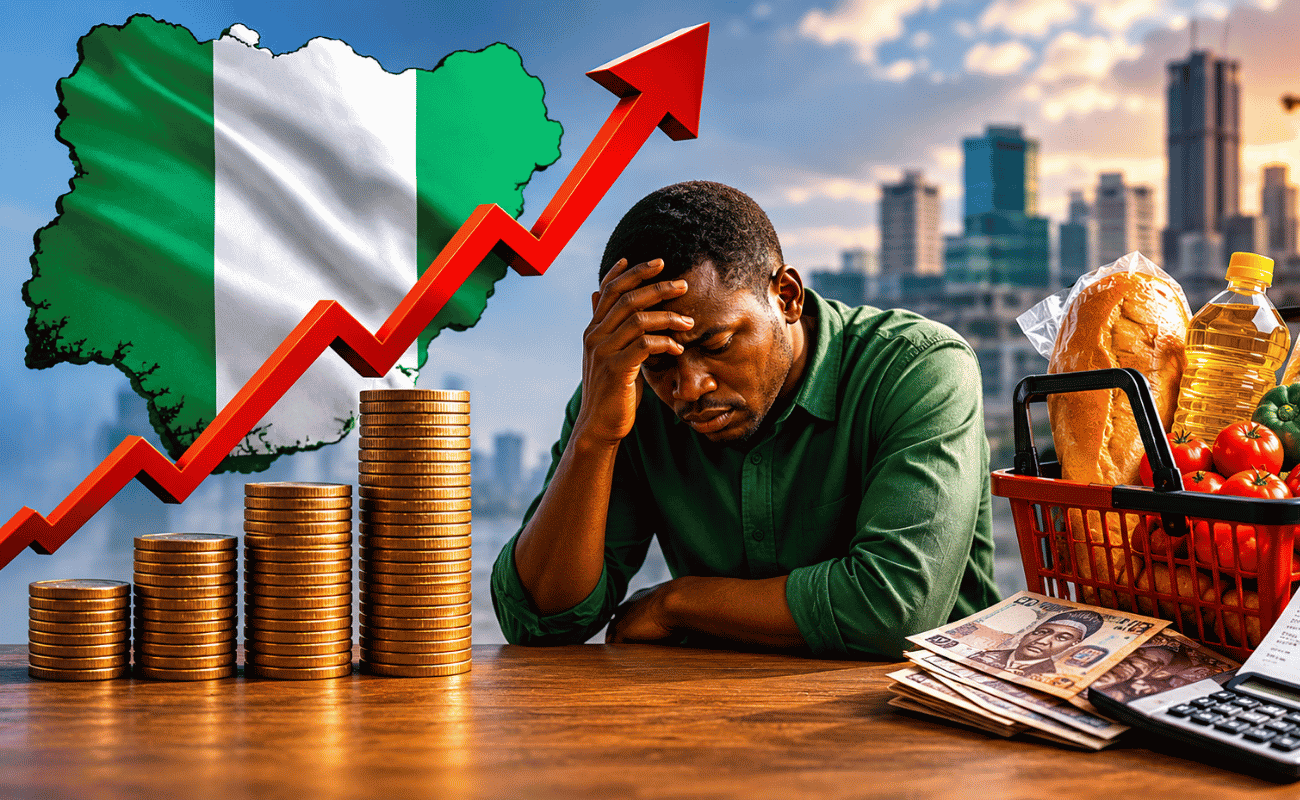
However, while the macroeconomic logic behind the reforms may appear sound on paper, the immediate social consequences have been severe. Petrol prices surged dramatically, transportation costs skyrocketed, and food prices climbed rapidly across the country. Because Nigeria’s economy depends heavily on fuel-powered transportation and imported goods, the ripple effects spread quickly into every sector. Inflation reached some of its highest levels in decades, with households forced to reduce spending on food, healthcare, education, and electricity. Studies and policy reports have linked subsidy removal and exchange-rate reforms directly to rising inflation and worsening living conditions.
The floating and unification of the naira further intensified economic pressure on citizens. Although the previous multiple-rate exchange system had been criticized for encouraging arbitrage and discouraging investment, the rapid depreciation of the naira significantly increased the cost of imported goods and raw materials. Businesses faced rising operational expenses, manufacturers struggled with production costs, and consumers paid more for necessities. In a country where many industries rely heavily on imports, currency instability translated almost immediately into hardship for ordinary people. While the reforms improved investor confidence and foreign exchange transparency, they also reduced the purchasing power of millions of Nigerians.
Government officials continue to argue that the reforms are beginning to yield positive macroeconomic outcomes. According to IMF assessments and several economic reports, Nigeria has seen improvements in fiscal stability, stronger foreign reserves, renewed investor confidence, and gradual moderation in inflation rates. Economic growth projections have also improved modestly, supported by increased oil production, services growth, and local refining capacity. Yet these improvements remain largely disconnected from the lived realities of many citizens. Economic growth figures mean little to households struggling to afford transportation, rent, and daily meals.
The widening gap between macroeconomic recovery and everyday survival has fueled public frustration. Across Nigerian cities and communities, many citizens increasingly feel excluded from the benefits of reform. Wage growth has failed to keep pace with inflation, unemployment and underemployment remain persistent challenges, and small businesses continue to face rising operational costs. Even when inflation shows signs of slowing statistically, prices remain significantly higher than they were before the reforms began. For low-income households, survival has become increasingly dependent on coping mechanisms such as skipping meals, reducing electricity consumption, and informal borrowing.
Public debate around the reforms reflects a divided national mood. Some Nigerians view the policies as overdue corrections that previous administrations lacked the political courage to implement. Others argue that while reforms were necessary, the government failed to establish adequate social protection systems before introducing them. Discussions across policy platforms and public forums repeatedly raise concerns about whether the reforms were implemented too abruptly without sufficient infrastructure, local production capacity, or safety nets to cushion vulnerable populations.
This debate highlights a broader challenge facing many African economies: balancing economic reform with social protection. Structural reforms often promise long-term gains, but without inclusive implementation, they risk deepening poverty and inequality in the short term. In Nigeria’s case, the success of current reforms may ultimately depend not only on fiscal indicators or foreign investment inflows, but on whether citizens begin to experience tangible improvements in their quality of life. Economic transformation cannot be measured solely through GDP growth while millions face declining living standards.
To prevent growing public disillusionment, the Nigerian government must strengthen targeted welfare interventions and invest aggressively in sectors that directly affect citizens’ wellbeing. Expanding affordable public transportation, improving electricity supply, supporting local agriculture and manufacturing, and implementing effective cash-transfer programs could help reduce the burden on vulnerable households. Transparent management of savings from subsidy removal is also essential to rebuilding public trust. Nigerians are more likely to support painful reforms when they can clearly see improvements in infrastructure, healthcare, education, and employment opportunities.
Nigeria’s current economic reforms may indeed represent a necessary attempt to correct years of structural imbalance and fiscal irresponsibility. Yet reforms that fail to protect citizens risk losing legitimacy, regardless of their technical soundness. As the country navigates this difficult transition, one reality remains clear: economic recovery that does not improve the lives of ordinary people cannot be considered fully successful. The true test of Nigeria’s reform agenda will not simply be whether the economy stabilizes, but whether citizens themselves are carried along in the process rather than left behind.