
How Global Conflicts Are Driving Fuel Price Shocks and Economic Pressure Across Africa
By Esther
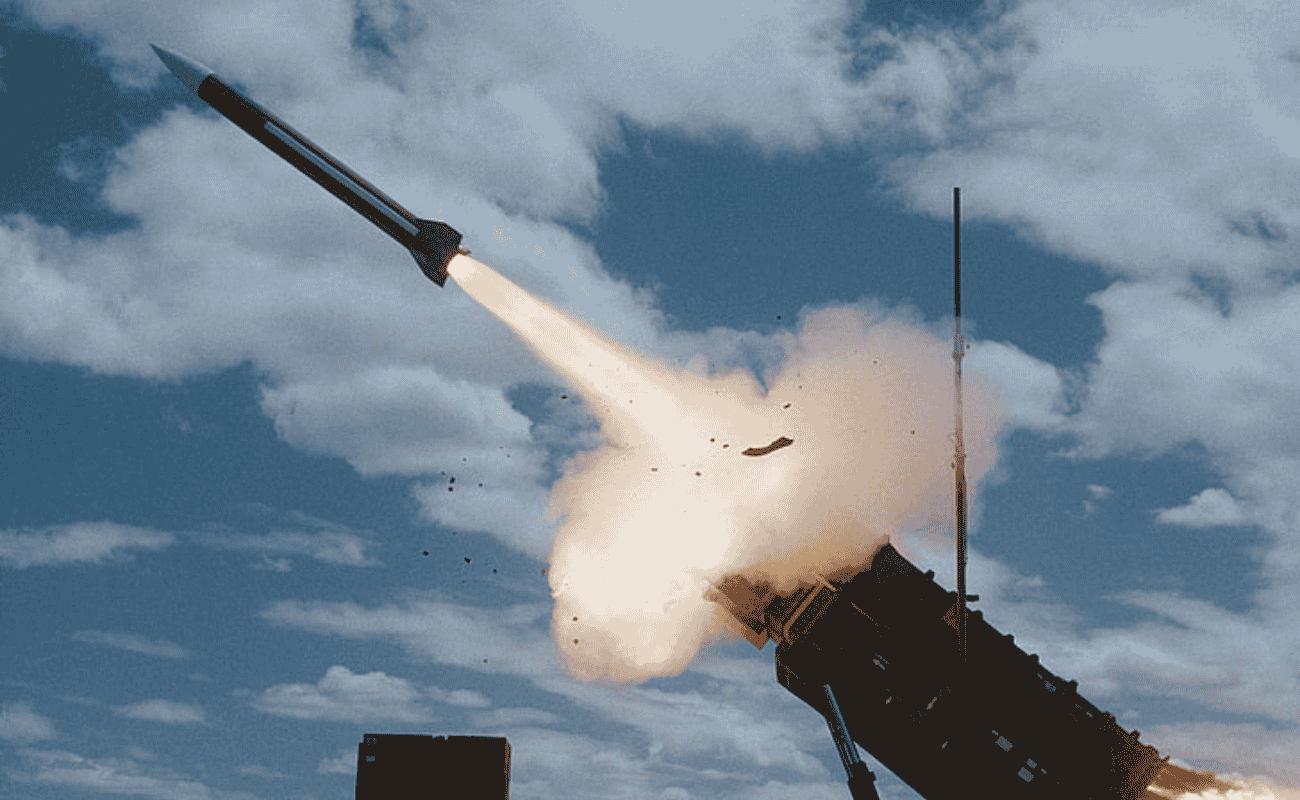
In the world today, all countries or states are connected by certain needs, goods or services, as no nation is an island or can survive on its own. Therefore, conflicts or wars in one part of the world might have a direct impact on the economy or livelihood of other countries, just like we see today. The ongoing war between the US, Israel and Iran prove this point as it has produced devastating economic consequences across the globe including Africa
Africa is home to several oil producing countries like Nigeria, Angola, Libya, Algeria, and Gabon, yet it still suffers from unavailability of oil due to the ongoing wars in the middle east. This is because the global oil market is interconnected. When conflict disrupts supply from the middle east, prices go up everywhere, including for African nations. Even the ones that produce their own oil often end up exporting it to pay debts, leaving little for local consumption. So ordinary people in places like Nigeria or Kenya end up paying more at the pump, not because there is no oil, but because the price is now set by a war happening thousands of miles away.
Many African countries are heavily dependent on oil in different areas of their economy and for the continuity of their daily life. For example, prices of foodstuffs increase or reduce equivalent to the cost of transport, and the cost of transport is tied to the cost of fuel. Despite having several oil producing countries in Africa, we still suffer because many do not have functioning refineries and must export their oil to other countries mostly in the middle east and then buy it back at exorbitant prices after refining. Now due to the ongoing conflict, there is a limit in the amount of oil that can be bought or sold thereby increasing the price. This development gradually affects locals in African countries as it raises their cost of living and makes it difficult for them to afford their daily necessities.
Nigeria, for example, is one of the largest oil producers in Africa, yet it imports most of its refined fuel because its refineries are not working. So, when a war in the middle east disrupts global oil supply, Nigeria feels it just as much as a country that does not produce any oil at all. The same goes for Ghana, Senegal, and others. They all depend on the global market for refined products, and that market is now unstable. The average person is left to bear the burden through higher transport fares, more expensive food, and less money left for things like school fees or rent.
In addition to the rising cost of transport and food, there is also the issue of electricity. Many African countries rely on generators to power homes and businesses because the national grid is not reliable. When fuel prices go up, the cost of running generators goes up too. This means small business owners must spend more just to keep their shops open. Some shut down entirely because they can no longer afford fuel. That leads to job losses and makes things even harder for families already struggling. In some cases, even those who still have jobs find that their salaries no longer stretch as far as they used to.
The fuel price surge also affects healthcare. Hospitals and clinics in many parts of Africa depend on generators to keep lights on, store vaccines, and run medical equipment. When fuel becomes expensive, some health centers are forced to cut back. That puts lives at risk, especially in rural areas where there is no backup power. So, a war happening in the middle east does not just affect the economy. It affects whether a mother can get medical help for her child or whether a patient can receive the treatment they desperately need.
The ongoing conflict involving the US, Israel, and Iran has made the situation worse because it threatens key routes used for oil transport. The Strait of Hormuz is a narrow passage where a large portion of the world’s oil passes through. When there is tension in that region, oil tankers face risks and insurance costs go up. Those costs are passed down to buyers, and eventually to everyday consumers. Even though African countries are far from the fighting, they still feel the heat because the global oil market only cares about supply and demand.
Governments in Africa have tried to respond by removing fuel subsidies, but that often ends up hurting the people more. When subsidies are removed, fuel prices increase overnight, and there is no immediate relief for the masses. People are left to adjust on their own, but there is only so much they can take. Protests have broken out in several countries over the high cost of living because citizens feel abandoned. They see their leaders living comfortably while they struggle to afford a meal. This creates tension and instability that further weakens already fragile economies.
What makes it more frustrating is that Africa has the resources to solve its own problems. The continent is rich in crude oil, yet it has not invested enough in refining capacity. For decades, the focus has been on exporting raw materials instead of building industries that can serve the local population. If more African countries had working refineries, they would not be at the mercy of global price shocks. They could refine their own crude and sell to neighboring countries at fair prices. But until that happens, Africa will continue to suffer from instability in other parts of the world.
In conclusion, the ongoing wars in the middle east have shown us that no region is safe from the ripple effects of conflict. For African nations, the impact has been severe. From transport and food prices to healthcare and small businesses, the cost of fuel touches every part of life. While leaders continue to look for solutions, the people are left to bear the weight of a crisis they did not create. It is a hard reality, but one that must be faced if we are serious about building a more stable and self-reliant Africa.