
Preparing for 2027 Elections: Electoral Reform and the State of Democracy in Nigeria
By Oluwaseun Taiwo
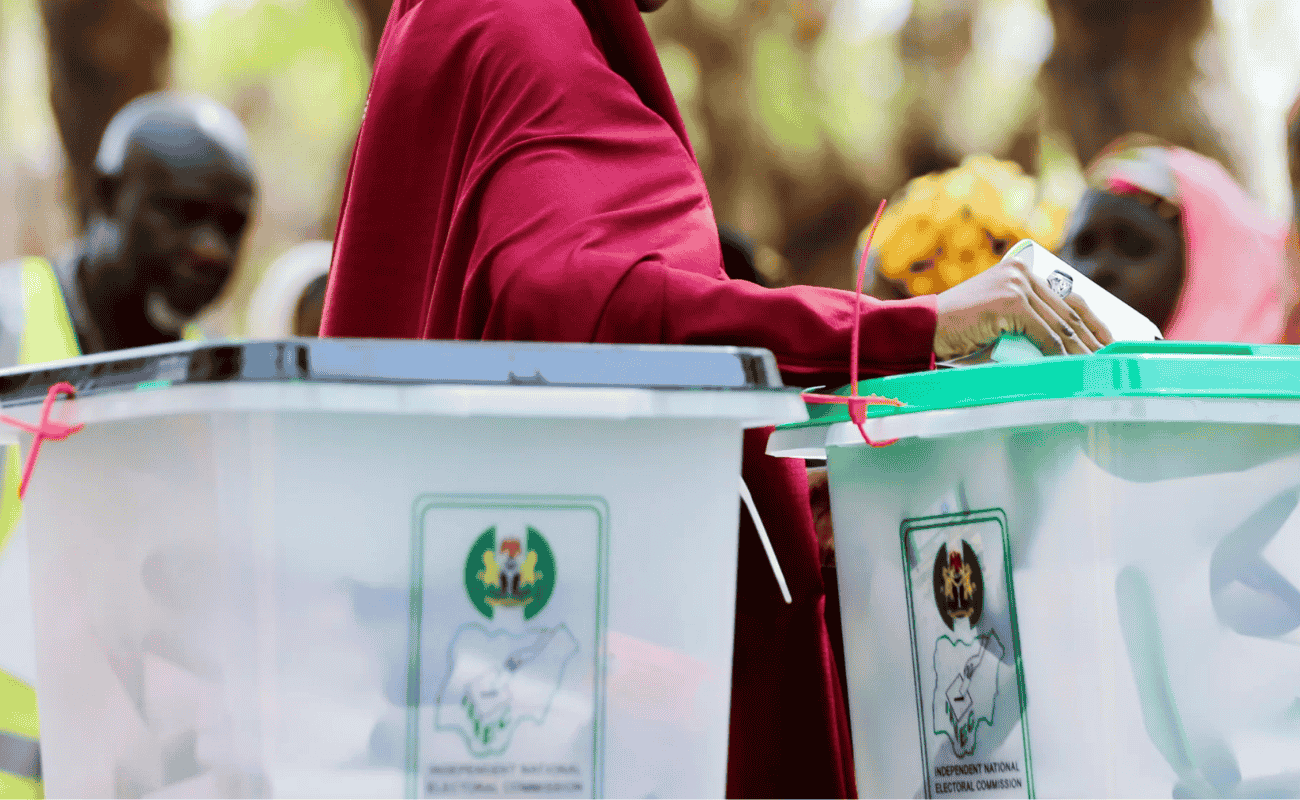
Nigeria’s general elections are expected to be held in January 2027. As Nigerians prepare for this important election, the lingering issues with the new electoral technology (BVAS and INEC) used in the last election, as well as the controversies surrounding the 2023 election outcomes, loom large. In Nigeria’s elections, conducted by the Independent National Electoral Commission (INEC), the BVAS (Bimodal Voter Accreditation System) is used at polling units to verify voters through fingerprint and facial recognition, and to upload polling unit results after counting. IReV (INEC Result Viewing Portal) is the online platform where those results are publicly displayed for transparency. Together, BVAS ensures proper voter accreditation and result capture, while IReV allows the public to view and verify election outcomes.
Despite the updated electoral law that was supported by technology aimed at improving transparency in elections, the 2023 election proves that public confidence in democratic institutions remains fragile. Nigeria’s democratic journey has often unfolded in cycles, with reforms followed by controversy and hope succeeded by distrust. Since 1999, each election cycle has created an opportunity to address the shortcomings of the previous one. As Nigeria approaches 2027, the focus is no longer just on holding elections but on restoring legitimacy and strengthening democratic practices.
The signing of the recent Electoral Act amendment marked another important chapter in Nigeria’s reform efforts. The law strengthened provisions around electronic voter accreditation and results transmission, formally recognising technological tools such as BVAS and the IReV portal. On paper, these changes were designed to reduce human interference, limit ballot manipulation, and enhance transparency in real time. For policymakers, the reform signalled institutional learning, a recognition that credibility in the digital age requires modernised systems.
However, reforms do not exist in a vacuum. The experience of 2023 showed that technology alone cannot resolve structural weaknesses. Delays in uploading results, inconsistent communication, and logistical challenges created openings for suspicion. Legal disputes that followed the elections further deepened polarisation. While the judiciary upheld the outcomes, the process highlighted gaps between legal innovation and operational execution. This gap is where democratic trust either grows or collapses.
Public confidence remains one of Nigeria’s most pressing democratic challenges. Voter turnout in 2023 was historically low, particularly among young citizens who had previously shown strong engagement through digital activism and civic movements. The decline suggests not apathy, but frustration. When citizens believe that institutional processes are unpredictable or opaque, participation becomes costly. Restoring trust requires more than statutory amendments. It demands transparency in communication, consistency in implementation, and visible independence of electoral authorities.
The broader democratic environment also shapes electoral credibility. Media-regulated debates, digital misinformation concerns, and the use of security forces during elections all influence how citizens interpret democratic fairness. Increasing militarisation of internal security has become a defining feature of Nigeria’s governance landscape. Military deployments to support police operations may address immediate threats, but they raise complex questions about civil liberties and democratic oversight. Discussions around the introduction of state police, supported by President Bola Tinubu, add another layer to the debate. Decentralised policing could enhance responsiveness, yet without constitutional safeguards and accountability mechanisms, it risks politicising security at the subnational level.
The intersection between security and elections cannot be ignored. Electoral violence has historically undermined democratic consolidation, from post-election unrest in 2011 to localised disruptions in subsequent cycles. Ensuring credible elections in 2027 will require a security framework that protects voters without intimidating them. Clear rules of engagement, professional training, and transparent coordination among agencies are essential. Security presence must reassure citizens, not shape political outcomes.
Looking ahead, the path to 2027 demands a comprehensive policy response rather than piecemeal adjustments. Institutional strengthening must go beyond hardware procurement. The Independent National Electoral Commission needs sustained investment in technical expertise, cybersecurity capacity, and logistical planning. Electoral laws should be clarified well before campaigns begin, avoiding last-minute amendments that generate suspicion. Judicial processes must be efficient and transparent, ensuring that electoral disputes are resolved swiftly to prevent prolonged legitimacy crises.
Equally important is civic engagement. Democratic consolidation depends on citizens who believe their participation matters. Youth inclusion strategies, voter education campaigns, and protection of civic space are not secondary issues. They are central to rebuilding democratic culture. Political parties must also confront their internal weaknesses. Weak party democracy, elite defections, and personality-driven competition undermine ideological clarity and policy-based campaigning. Without stronger party institutions, electoral reforms risk treating symptoms rather than causes.
The approach to 2027 offers an opportunity for recalibration. Nigeria can either treat recent reforms as the endpoint of progress or as part of an ongoing democratic project. The difference will depend on enforcement, institutional independence, and political will. Laws can establish frameworks, but their credibility depends on consistent application.
Ultimately, the question facing Nigeria is not whether it can organise another election. It is whether it can organise one that commands broad legitimacy across political divides. Democratic maturity is measured not only by peaceful voting days but by sustained trust in the institutions that manage them. If policymakers prioritise institutional capacity, security accountability, legal clarity, and civic inclusion, 2027 could mark a turning point. If not, the cycle of reform and distrust may simply repeat itself.
Nigeria’s democratic future remains open. Its past reveals both cautionary lessons and enduring strengths. The present demands deliberate action. The future will depend on whether reform is pursued as a continuous commitment rather than a periodic response to crisis.