
Beyond the Ballot: What Nigerians Should Expect as the 2027 General Elections Approach
By Oluwaseun Taiwo
Nigeria’s 2027 general elections are gradually moving from political speculation to national reality. Across the country, conversations about political parties, possible candidates, primary election, campaign strategies, and regional alliances are already gaining momentum. While elections in Nigeria are often dominated by personalities and political drama, the coming electoral cycle presents a broader opportunity for citizens to reflect on the future of governance, democratic participation, and national development.
Elections are among the most important processes in any democracy because they provide citizens with the opportunity to influence leadership and public policy through peaceful participation. In Nigeria, however, elections have often been accompanied by tension, misinformation, voter apathy, and distrust in political institutions. As the country prepares for another major transition in 2027, the national conversation must move beyond political rivalry and focus more on civic responsibility, electoral awareness, and democratic accountability.
One major issue that will shape the 2027 elections is voter participation, particularly among young people. Nigeria has one of the youngest populations in the world, and youth voters continue to represent a significant percentage of the electorate. In recent election cycles, young Nigerians demonstrated increasing interest in political conversations, policy debates, and civic mobilisation, especially through social media platforms and grassroots engagement. This growing political awareness reflects a generation that is more interested in governance outcomes and public accountability than in traditional political loyalty.
However, political participation should not begin and end on social media. While online engagement helps raise awareness and mobilise citizens, democracy requires sustained civic involvement beyond hashtags and election-day enthusiasm. Citizens must understand electoral processes, verify political information, participate in voter education, and remain actively engaged in governance after elections are concluded. Strong democracies are built not only by politicians, but also by informed and active citizens.
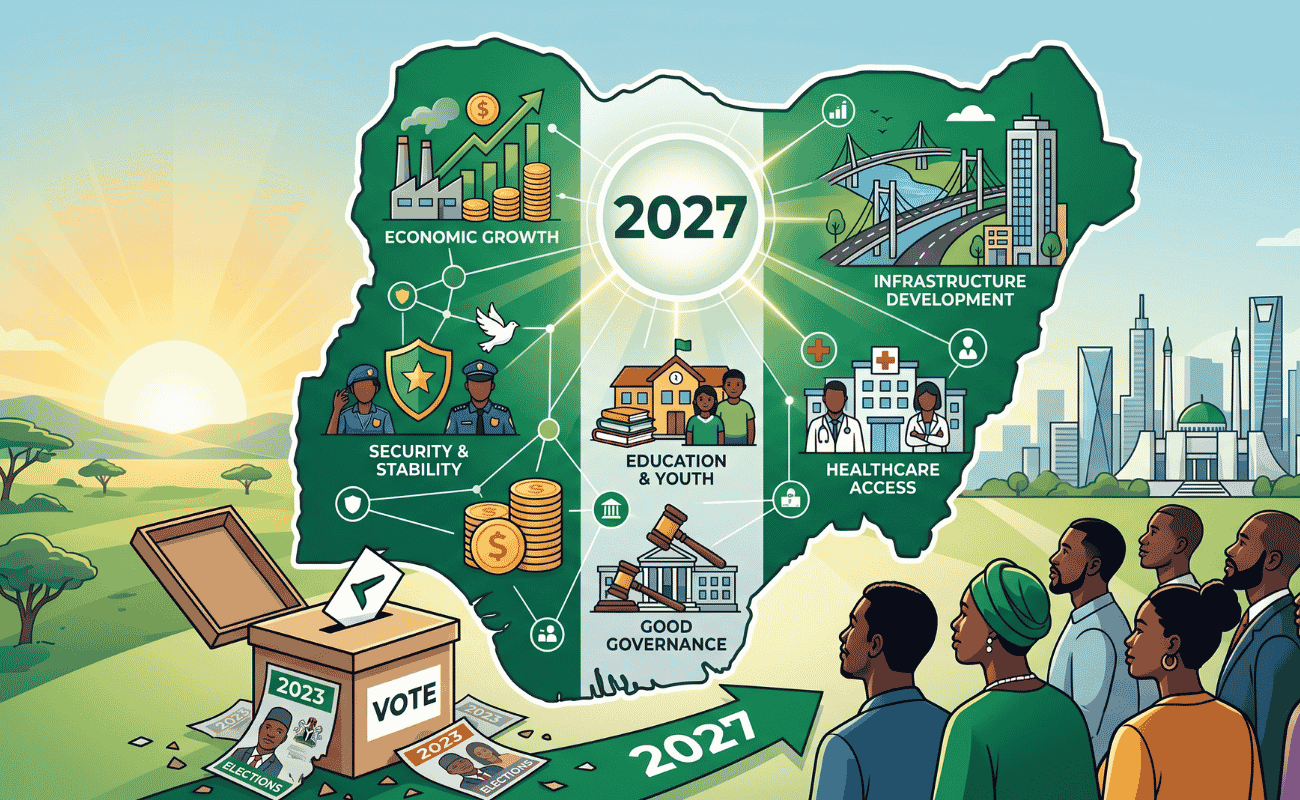
Another important factor ahead of the elections is the role of political parties in shaping public trust. Nigerians increasingly expect political parties to focus more on policy direction and issue-based campaigns rather than personal attacks or ethnic and religious divisions. Citizens want to hear practical solutions to challenges such as unemployment, insecurity, inflation, education, healthcare, electricity supply, and economic opportunities. As the election season approaches, political parties will likely face growing pressure to present clear and realistic policy agendas that address the daily realities of ordinary Nigerians.
The media will also play a significant role in shaping public understanding during the election period. Traditional media platforms, digital news outlets, and social media networks have become central spaces for political communication in Nigeria. While these platforms create opportunities for information sharing and civic discussion, they also increase the spread of misinformation, manipulated content, and politically motivated propaganda. During election periods, false information can quickly create confusion, deepen political tensions, and influence public perception.
For this reason, media literacy and responsible journalism will become increasingly important before and during the 2027 elections. Citizens must develop the habit of verifying information before sharing it, while media organisations must prioritise accuracy, fairness, and fact-based reporting. In an era of rapid digital communication, the quality of information circulating during elections can significantly influence public trust and democratic stability.
Electoral institutions will equally remain at the centre of public attention. Nigerians will closely observe how election management bodies prepare for voter registration, logistics, result management, electoral transparency, and communication with the public. Confidence in elections is often shaped not only by the outcome but also by how transparent, organised, and credible the entire process appears to voters. Clear communication, timely updates, and visible preparedness can help strengthen public confidence in the electoral process.
Security is another important dimension that cannot be ignored. Nigeria’s elections have historically faced challenges related to electoral violence, political intimidation, and security concerns in some regions. As political competition intensifies ahead of 2027, maintaining peaceful participation will require cooperation among security agencies, political actors, civil society organisations, community leaders, and citizens themselves. Elections should be periods of democratic engagement, not moments of fear or instability.
At the same time, the upcoming elections provide an opportunity to deepen conversations about national unity and democratic culture. Nigeria is a country of immense diversity, with different ethnic groups, religions, languages, and political interests. During elections, these differences are sometimes exploited for political advantage, creating unnecessary divisions among citizens. Yet democracy functions best when political competition does not undermine social cohesion or national stability.
The 2027 elections therefore represent more than a contest for political office. They are also a test of democratic maturity, civic responsibility, and institutional resilience. The choices Nigerians make, both as voters and as political actors, will shape not only the outcome of the elections but also the broader direction of the country’s democracy.
As political activities gradually increase in the coming months, Nigerians will need to pay closer attention to issues that directly affect governance and national development. Elections should encourage conversations about ideas, leadership capacity, public service delivery, economic recovery, and long-term national progress. Citizens must look beyond campaign slogans and focus more on competence, accountability, integrity, and policy direction.
Democracy thrives when citizens remain informed, institutions operate transparently, political actors respect democratic principles, and elections reflect the genuine will of the people. As Nigeria prepares for 2027, the responsibility of protecting democratic values does not rest on government institutions alone. It also depends on the everyday actions of citizens, journalists, civil society groups, community leaders, and political stakeholders across the country.
The coming general elections will undoubtedly shape another important chapter in Nigeria’s democratic journey. Whether that chapter strengthens public confidence and democratic participation will depend largely on how both leaders and citizens approach the process in the months ahead.